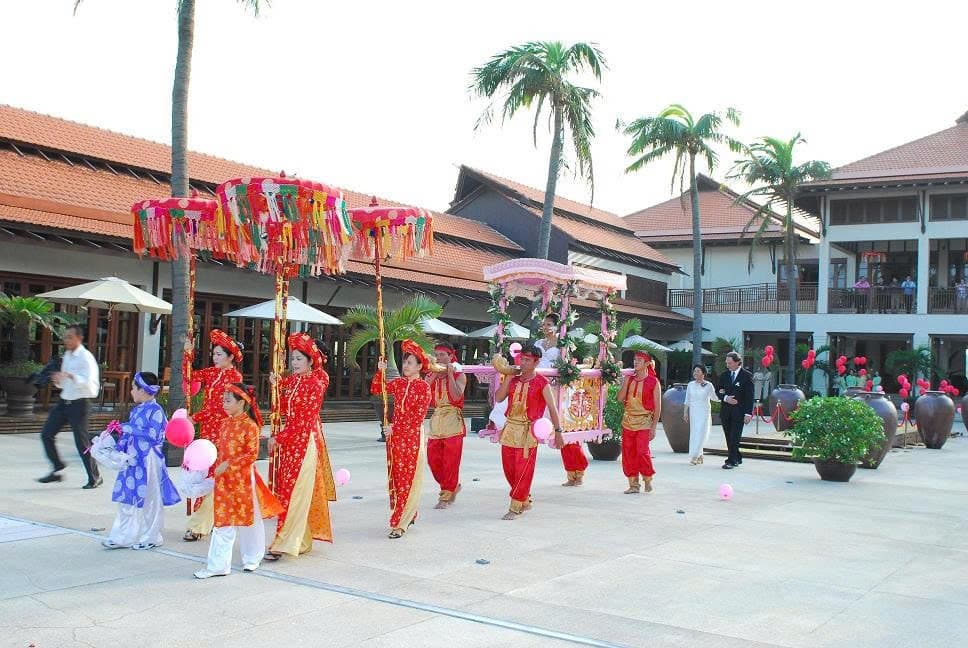
The palanquin moves through tiled-roof corridors, courtyards, and spaces imbued with East Asian architectural identity. The bride in traditional attire, the procession with ceremonial parasols and vibrant red accents create a wedding that is both solemn and deeply Vietnamese.
There are images that seemed to remain only in the memories of Vietnamese weddings of the past: the palanquin, ceremonial parasols, traditional ao dai, vibrant red hues, and a solemn procession escorting the bride to her husband's home.
But perhaps those values are finding an opportunity to return, in a fresh way.
Interestingly, today's young Vietnamese generation grew up with technology, AI, social media, and global trends. They organize increasingly modern, personalized weddings with a distinct aesthetic taste. Yet the more integrated they become, the more a segment of young people desires to reconnect with their roots.
And weddings are becoming a beautiful realm for that homecoming.
The palanquin is not merely to create a beautiful photograph
In a traditional wedding, escorting the bride is not simply moving her from one place to another.
It is a ritual marking a momentous occasion in life, when two families officially bond and the woman steps onto a new journey.
Therefore, the palanquin, ceremonial parasols, red colors, ao dai, and procession all hold profound meaning.
Remarkably, over a decade ago, this image was brought to life at Furama Resort Đà Nẵng.
The palanquin moves through tiled-roof corridors, courtyards, and spaces imbued with East Asian architectural identity. The bride in traditional attire, the procession with ceremonial parasols and vibrant red accents create a wedding that is both solemn and deeply Vietnamese.
Looking back at those images today, I realize their value lies far beyond just a beautiful wedding.
It evokes a far more intriguing question:
In an increasingly modern society, why don't we bring traditional values back using the language of today's generation?
Young people are not turning their backs on tradition
Perhaps we once thought the younger generation would favor entirely Western-style weddings: white wedding dresses, ballrooms, imported flowers, music, and international rituals.
However, reality is turning out to be much more interesting.
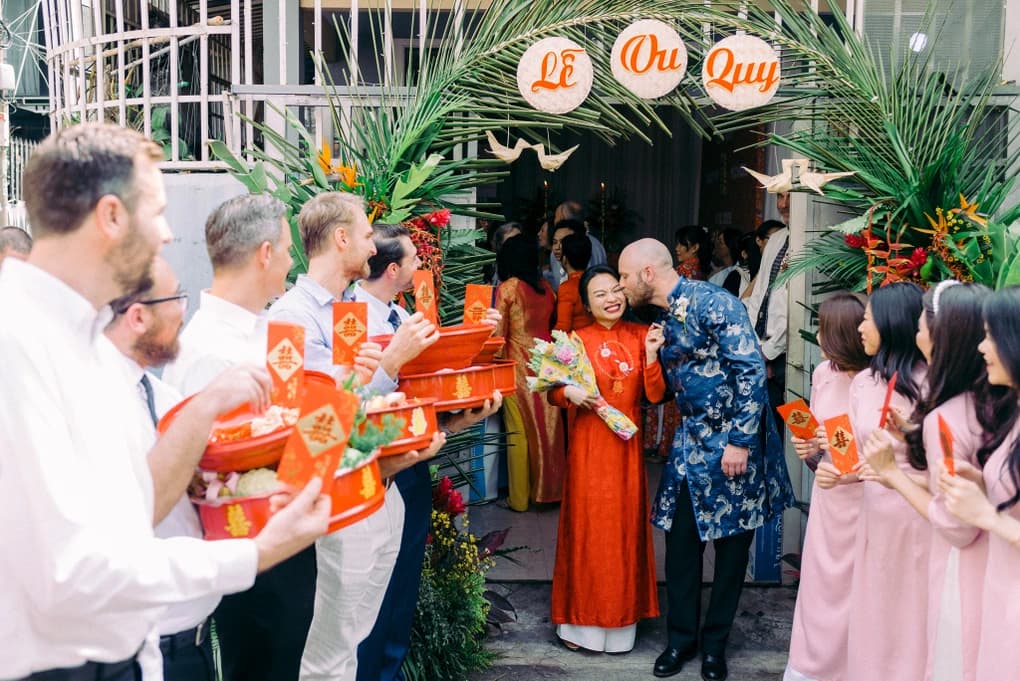
Many young brides and grooms desire to wear ao dai during the ancestral ceremony. They rediscover traditional motifs, handcrafted materials, lotus flowers, ceramics, silk, bamboo, hometown-inspired cuisine, and ancestral wedding rituals.
This does not mean young people wish to return to a wedding from decades or centuries ago.
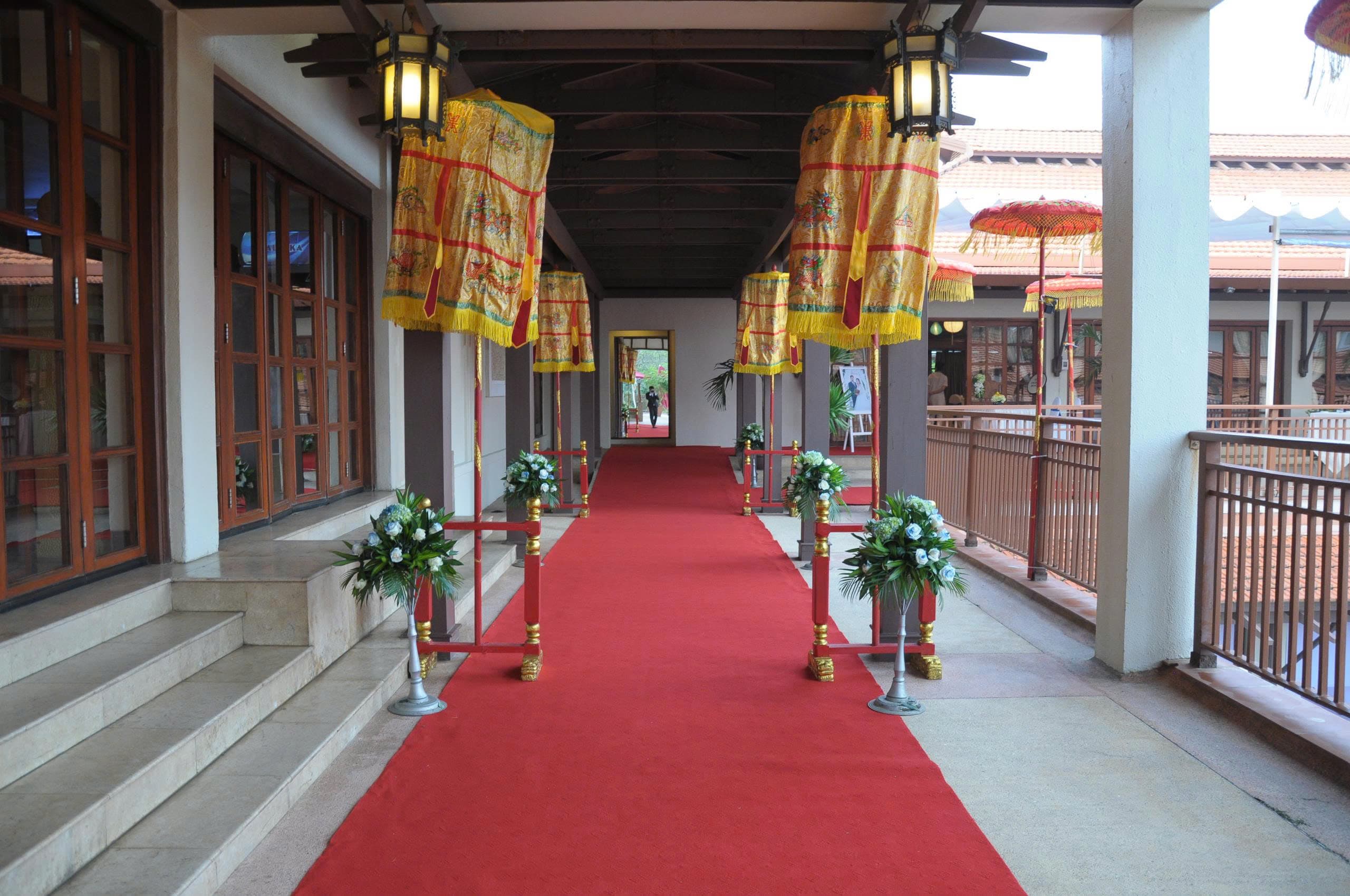
They are selecting the finest elements of tradition to tell their story in a modern way.
This is a crucial distinction.
For tradition to thrive, it doesn't necessarily have to maintain every old form. A palanquin can seamlessly feature in a modern destination wedding. Ao dai can be designed in the language of contemporary fashion. The bride-escorting ceremony can be shortened while preserving its full solemnity.
What needs to be preserved is not every single detail of the past.
What needs to be preserved is its spirit.
It is family. It is the presence and witness of parents, grandparents, and loved ones. It is respect for the moment two people begin a new family. And deeper still, it is the profound sense of knowing where one comes from.
This could also be a fresh direction for the Vietnamese wedding industry
Vietnam is strongly developing destination weddings. We possess beautiful beaches, resorts, heritage sites, rich cuisine, and breathtaking wedding venues.
Yet if we only offer beautiful ballrooms, pristine beaches, and gorgeous flowers, we will be competing with Bali, Phuket, Koh Samui, and many other destinations.
Culture is the true element that others find hard to replicate.
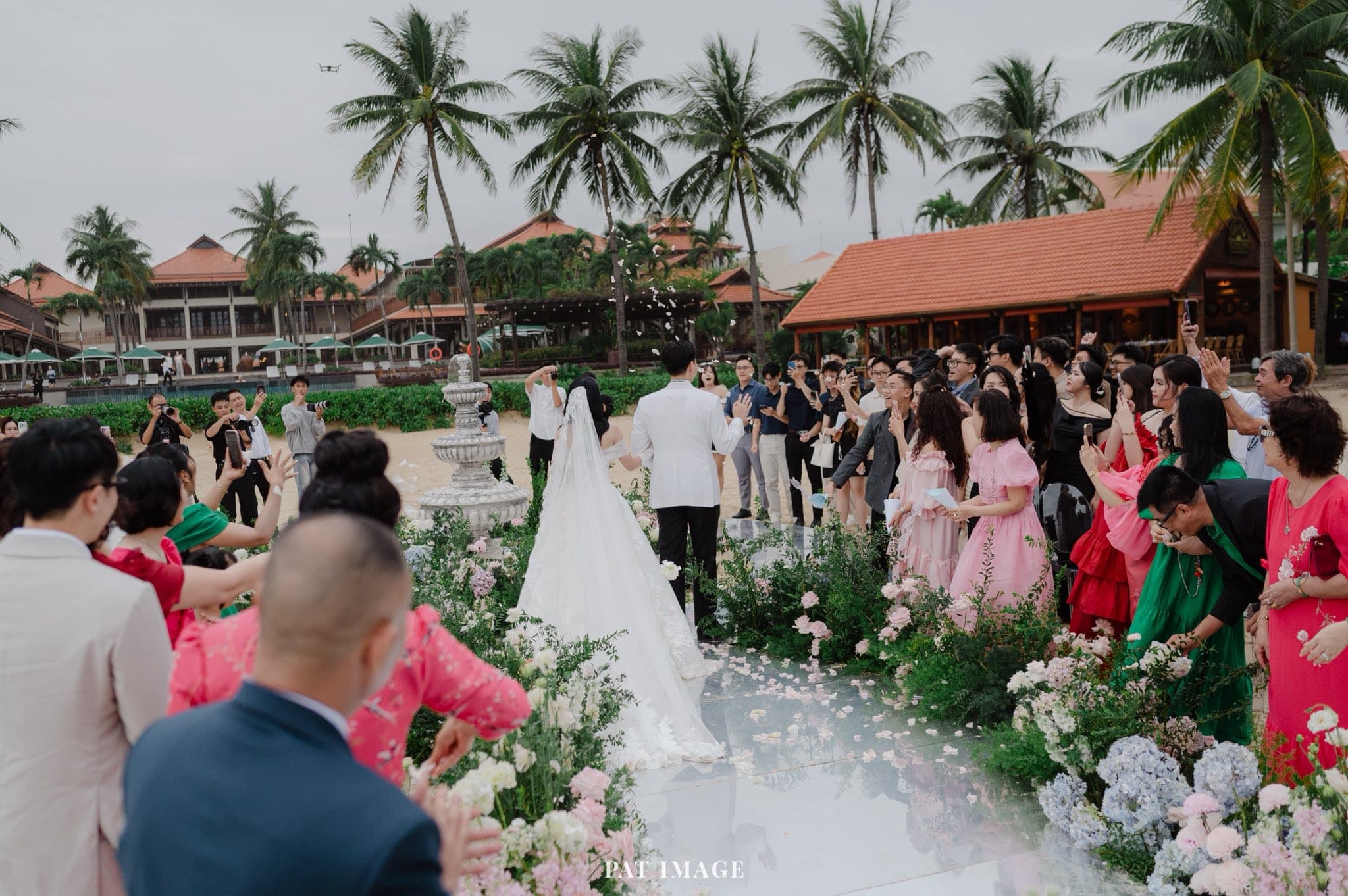
A wedding in Vietnam can perfectly begin with traditional rituals, ao dai, and a palanquin; continue with a contemporary beachside ceremony; and culminate in an evening banquet, music, and memorable experiences for family and friends.
Especially for overseas Vietnamese couples or multinational families, a wedding serves as a wonderful opportunity to introduce Vietnamese culture to international friends.
In that moment, heritage no longer stays in museums. Heritage steps into real life.
From a wedding ceremony to a “wedding holiday”
I believe the hospitality industry should also view weddings through a broader lens.
A destination wedding should not be measured merely by the guest count or revenue from a single gala evening.
Guests can arrive two or three days before the wedding and extend their stay afterward. Both families have time to bond. Friends share experiences at the destination. The bride and groom can host a welcome dinner, tea ceremony, rehearsal dinner, wedding ceremony, after-party, and post-wedding activities.
A wedding then transforms into a wedding holiday.
This is also a direction where Furama Đà Nẵng is ideally positioned to thrive, as the resort space itself is rich in East Asian architectural and cultural heritage.
The palanquin and bridal procession can be part of the heritage story. But surrounding the wedding, there can also be Vietnamese cooking classes for both families, culinary experiences, wellness and spa treatments for the bride and groom, yoga, water sports, beachside gatherings, or exploratory journeys to Hội An, Mỹ Sơn, Marble Mountains, and Central region culture.
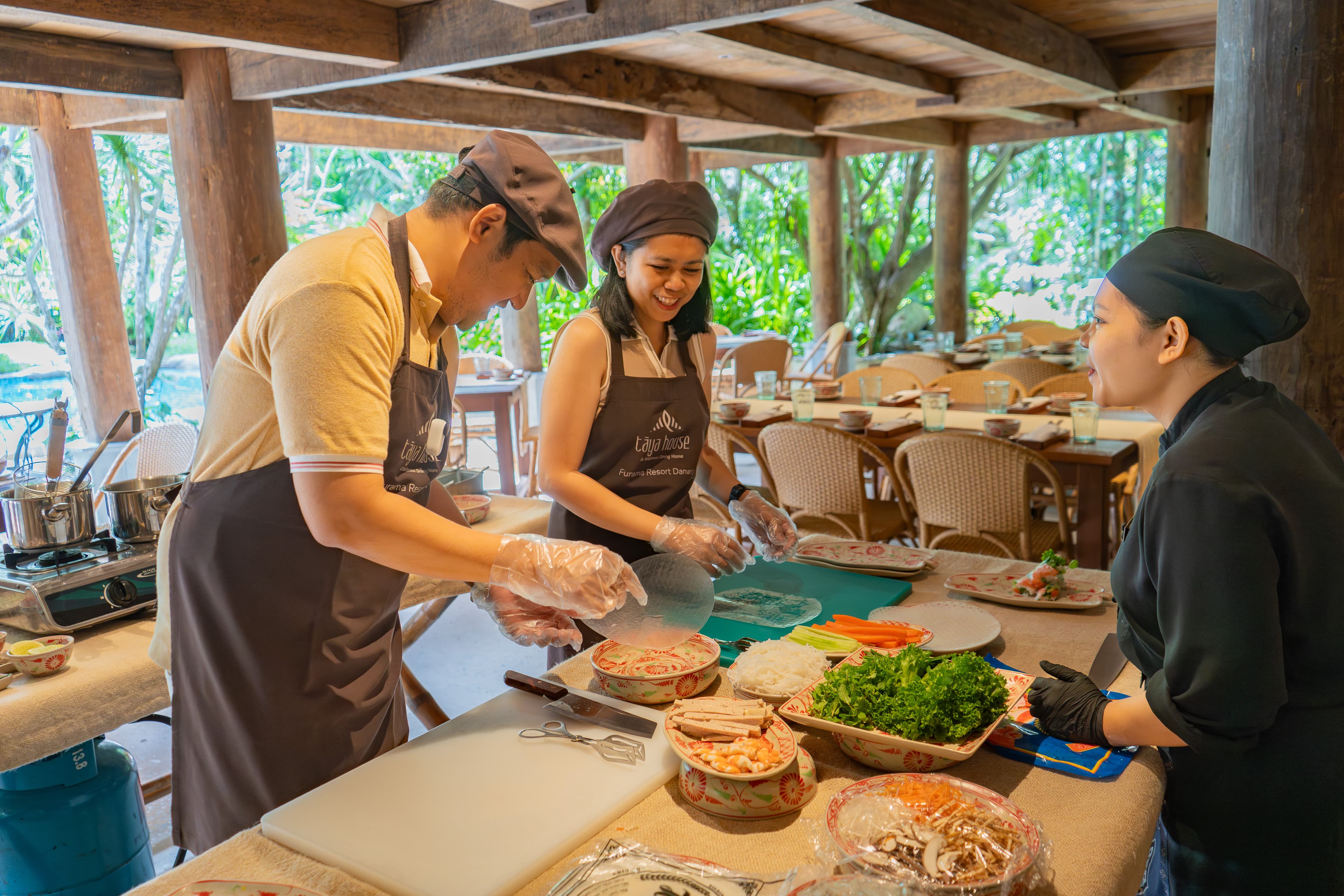
Thus, we are not merely hosting a wedding that lasts a few hours, but can create a journey spanning several days.
And each day tells another story about Vietnam.
That is also the greatest value of bringing heritage into Hospitality: not merely displaying the past, but allowing the past to live on in today's experiences.
Perhaps the reappearance of the bridal sedan chair in a modern resort carries a similar significance.
Young Vietnamese people are moving swiftly towards the future.
They love technology, embrace novelty, and are ready to adopt global trends.
However, moving forward does not mean leaving one's values behind.
Sometimes, on a brand-new day of one's life, people yearn to return to traditional roots: an Áo Dài, a shade of crimson, a family ritual, a bridal sedan chair.
For a beautiful wedding may be remembered for a few years, but a wedding with a story, culture, and roots can become a memory passed down through generations.